



Environment
Protecting Environment (PEA) raises awareness and mobilizes young people to promote sustainable waste management and to campaign against deforestation, climate change, and the decline of wildlife and plant biodiversity in the Pool region and beyond.
Sustainable Waste Management and Environmental Awareness by Protecting Environment (PEA)
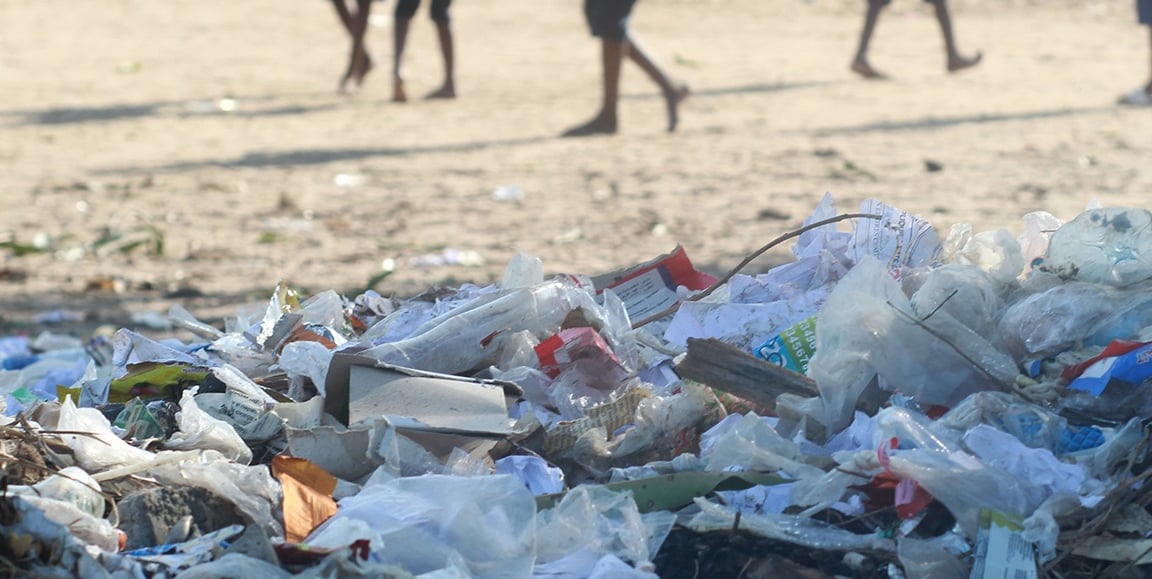
Awareness-Raising on Sustainable Waste Management in Brazzaville
As the Coordinator of the Dynamique Action Environnement (DAE), Protecting Environment (PEA) works to raise public awareness of best practices in sustainable waste management in Brazzaville. In collaboration with DDEPSA, the Makélékélé City Hall, and local APEEC presidents, PEA strengthens the capacities of state and non-state actors in waste management. The objective is to improve how schools and neighborhoods manage their waste, thereby contributing to a healthier and more sustainable environment.
PEA organizes consultations and meetings with neighborhoods and schools to collect information on existing practices. Surveys are conducted to assess local capacities in waste management in order to propose solutions tailored to the specific needs of communities. In addition, PEA organizes a Clean School Competition to reward the cleanest school, thus encouraging the active involvement of students and school staff in this environmental initiative.
Forest Conservation and Climate Awareness
PEA also runs active campaigns against deforestation, climate change, and the decline of wildlife and plant biodiversity, mobilizing young people of all ages. By planting trees such as Acacia, Eucalyptus, and Moringa, the organization contributes to reducing greenhouse gas emissions while helping to preserve nearly two-thirds of the Republic of the Congo’s forest cover. Surveys are conducted to assess the state of forest ecosystems in regions such as Pokola and the Pool. PEA raises awareness among young people and village chiefs about the negative impacts of charcoal production on health, the environment, and biodiversity.
Water, Sanitation, Hygiene, Health, and Environment
PEA conducts studies in disadvantaged neighborhoods, such as Kingouari, to identify areas lacking access to hygiene, health, water, and sanitation services. In collaboration with local authorities, the organization raises awareness among residents about the importance of having modern latrines and living in a healthy environment. Consultations are held with neighborhood and block leaders to identify local priorities, with the aim of proposing sustainable solutions—often through advocacy or project management, including fundraising efforts.
Environmental Pollution (Soil, Water, Air)
PEA is also active in combating air, water, and soil pollution in Brazzaville and Pointe-Noire. When pollution is identified—particularly from industrial or petroleum waste—the organization mobilizes young people and raises awareness among influential stakeholders, such as ministerial advisers and NGOs, to amplify advocacy and reporting efforts. PEA compares European air quality policies with those of the Republic of the Congo, using SWOT analyses to propose corrective measures. The goal is to combat air pollution, which has harmful effects on both health and the environment.
Sustainable Agriculture and Composting
In the field of sustainable agriculture, PEA supports small-scale farmers by helping them overcome development challenges. A key need identified by agricultural cooperatives is access to organic inputs, particularly compost. PEA organizes consultations to identify priority needs and supports farmers in finding appropriate solutions. The organization also raises awareness among households and waste collectors about the importance of sustainable waste management, encouraging waste reduction in public spaces—an approach that helps combat diseases such as malaria.
By collaborating with companies on waste recycling, PEA works to demonstrate that waste management is not solely the responsibility of collectors, but a shared responsibility involving businesses, households, and farmers alike. This work is part of PEA’s commitment to promoting the United Nations Sustainable Development Goals (SDGs) 2 and 12, contributing to a greener and more sustainable future.